
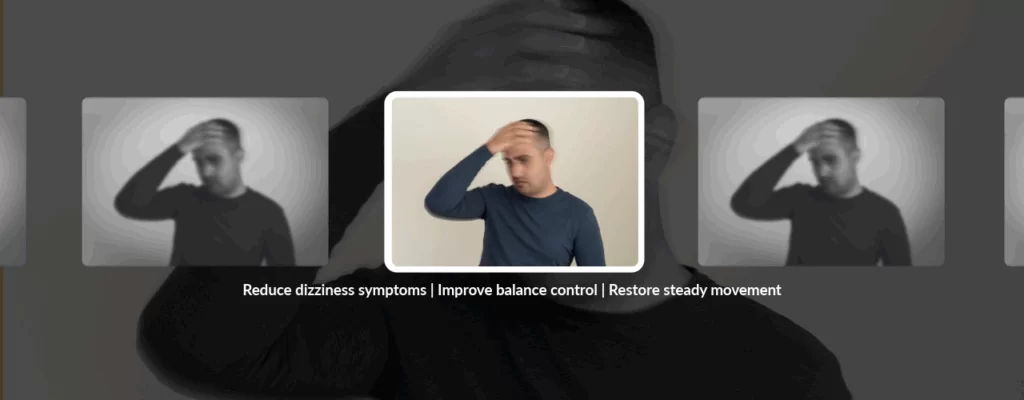
Feeling dizzy can be unsettling. When dizziness affects stability, vertigo and balance problems often occur together. Many people try to ignore these symptoms, but changes in balance deserve attention. Understanding vertigo and balance helps people recognize why symptoms feel disruptive and why early care matters.
How the Balance System Works
The balance system uses three main inputs to maintain stability.
- The inner ear detects head movement and position.
- Vision provides information about surroundings and motion.
- Muscles and joints send feedback about body position.
Vertigo occurs when the inner ear sends inaccurate signals to the brain. The brain receives conflicting information and responds with dizziness, nausea, or loss of balance. This conflict explains why vertigo and balance problems often appear together.
What Vertigo Means for Balance
Vertigo creates the sensation that the room is spinning or that the body is moving when it is not. This sensation affects balance because the brain relies on accurate signals to keep the body upright. When vertigo disrupts these signals, the body struggles to maintain stability.
Balance depends on coordination between the inner ear, vision, muscles, and joints. Vertigo interferes with this coordination, which increases the risk of unsteadiness and falls.
Common Causes of Vertigo and Balance Problems
Several conditions affect vertigo and balance. Each cause disrupts the balance system in a different way.
Inner ear conditions
- Conditions such as benign positional vertigo affect the inner ear and cause brief episodes of spinning sensations with head movement.
Neck movement and posture issues
- Stiffness or poor posture in the neck can alter sensory input and contribute to balance difficulties.
Neurological sensitivity
- The nervous system may become sensitive after illness, injury, or prolonged dizziness, making balance responses less reliable.
Medication effects or illness
- Certain medications and infections affect inner ear function and balance control.
Signs of Vertigo and Balance Issues Need Attention
Some people experience mild dizziness that resolves quickly. Vertigo and balance problems require attention when symptoms include:
- Frequent dizziness or spinning sensations
- Unsteadiness while walking
- Difficulty turning the head or changing positions
- Fear of falling
- Avoidance of daily activities
These signs indicate that the balance system is not functioning efficiently.
Why Vertigo and Balance Problems Should Not Be Ignored
Vertigo and balance issues affect safety, confidence, and independence. Unaddressed balance problems increase fall risk and limit participation in daily activities. People often reduce movement to avoid dizziness, which weakens balance further.
Balance confidence plays a key role in recovery. Without proper support, fear and avoidance reinforce symptoms and delay improvement.
How Physical Therapy Addresses Vertigo and Balance
Physical therapy focuses on restoring balance function by retraining the brain and body. Therapists evaluate how the inner ear, vision, and movement patterns work together.
Treatment may include:
- Balance exercises that improve stability
- Head and eye movement training to reduce dizziness
- Postural correction to support proper alignment
- Strengthening exercises to support safe movement
- Education that builds confidence with daily activities
This approach helps the nervous system adapt and improves tolerance to movement.
When to Seek Help for Vertigo and Balance
People should seek guidance when dizziness or balance problems persist, worsen, or interfere with daily life. Early care improves outcomes and reduces fall risk.
Professional evaluation identifies the source of vertigo and balance issues and guides appropriate care strategies.
How Fleming Physical Therapy Consultants Supports Balance Recovery
The team at Fleming Physical Therapy Consultants evaluates how movement, posture, and sensory input contribute to vertigo and balance symptoms. Care focuses on restoring stability, improving confidence, and supporting safe movement.
Treatment plans emphasize education and active strategies that help patients feel more secure during daily activities.
Take the Next Step Toward Better Balance
Vertigo and balance problems signal that the body needs support. Addressing these issues early helps restore stability and confidence.
If dizziness or balance concerns affect your daily life, contact Fleming Physical Therapy Consultants to learn whether physical therapy can help improve your balance and function.
Tags: vertigo and balance, vestibular problems, balance instability, dizziness issues