
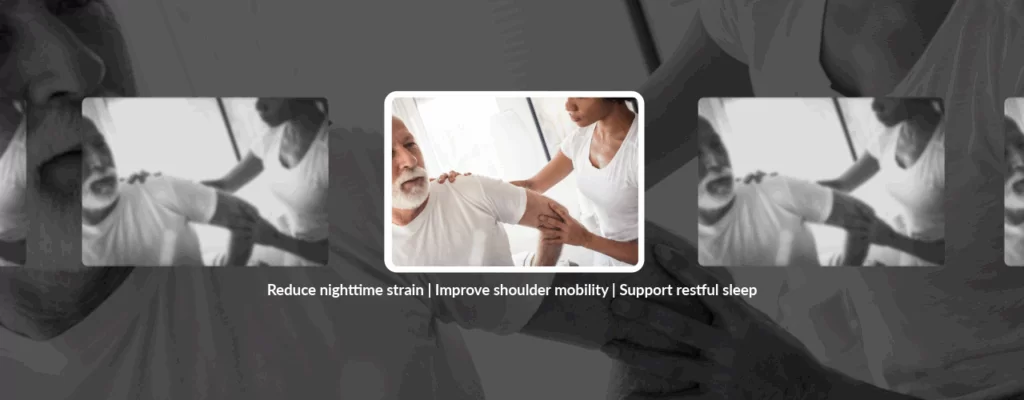
Many adults move through the day with manageable shoulder discomfort, only to feel sharp or aching pain once they lie down. This pattern often feels confusing and frustrating. Shoulder pain at night is rarely random. It usually reflects how the shoulder responds to pressure, positioning, and reduced movement during sleep. Understanding these factors helps explain why symptoms increase and how physical therapy can address the cause.
Common Factors Affecting Shoulder Comfort After Dark
During the day, natural arm movement keeps blood flowing and tissues flexible. At night, the shoulder stays in one position for hours. This lack of movement allows stiffness to build around the joint. When tissues stiffen, they become more sensitive to pressure. This sensitivity is one of the main reasons people experience shoulder pain at night even if daytime symptoms feel mild.
Many adults unknowingly irritate their shoulders during the day. Reaching overhead, working at a computer, lifting with poor mechanics, or repetitive movements all contribute. These stresses may not cause immediate pain but create irritation that becomes noticeable once the body rests. Over time, this irritation shows up as shoulder pain at night.
Side sleeping places direct pressure on the shoulder joint. When the shoulder bears body weight for long periods, the structures inside the joint become compressed. Back sleeping can also create discomfort if the arm falls forward and pulls the shoulder into an awkward position. These positions increase strain on irritated tissues and make nighttime pain more noticeable.
How Physical Therapy Identifies the Source of Shoulder Pain at Night
Physical therapists evaluate posture, strength, mobility, and movement patterns to understand why pain increases at night. They assess how the shoulder moves during daily tasks and how it rests during sleep. This evaluation helps identify whether weakness, stiffness, inflammation, or mechanics contribute to shoulder pain at night.
Common Signs Your Shoulder Pain Needs Professional Attention
Adults should consider physical therapy when they notice:
- Pain that disrupts sleep consistently
- Stiffness that lasts into the morning
- Weakness during reaching or lifting
- Pain that worsens when lying on one side
- Reduced shoulder mobility
These signs suggest the shoulder needs targeted care.
How to Reduce Shoulder Pain at Night Through Targeted Rehab
Step One: Restore Comfortable Shoulder Motion
Limited range of motion increases joint pressure during sleep. Therapists use mobility exercises and manual techniques to improve how the shoulder moves. Better motion reduces stiffness and helps tissues tolerate nighttime positioning.
Step Two: Build Strength That Supports the Joint
Strengthening the rotator cuff and shoulder blade muscles helps the joint stay centered. Improved stability reduces strain on sensitive tissues. Strength work plays a major role in reducing shoulder pain at night over time.
Step Three: Improve Posture and Daily Movement Habits
Poor posture places the shoulder in a stressed position for hours. Physical therapy teaches strategies to improve posture during sitting, working, and lifting. Better alignment reduces irritation before bedtime.
Step Four: Address Muscle Tension That Builds During the Day
Tight muscles limit circulation and increase nighttime discomfort. Therapists use manual techniques and stretching to reduce tension. Relaxed muscles respond better to rest and reduce pressure on the joint.
Step Five: Teach Sleep Position Strategies That Protect the Shoulder
Physical therapists help adults adjust sleep positions to reduce strain. Simple changes in arm support or pillow placement often improve comfort. These strategies help minimize shoulder pain at night without medication.
Why Ignoring Night Shoulder Pain Often Leads to Daytime Limitations
Sleep disruption affects recovery, strength, and overall health. When shoulder pain interferes with rest, daytime movement often suffers. Reduced sleep quality increases sensitivity and slows healing. Addressing shoulder pain at night helps protect both sleep and daily function.
Physical therapy addresses the root causes of shoulder discomfort. By restoring strength, mobility, and movement quality, therapy helps the shoulder tolerate both activity and rest. This approach reduces recurring pain and improves long-term joint health.
Find Relief for Nighttime Shoulder Pain at Fleming Physical Therapy Consultants
At Fleming Physical Therapy Consultants, physical therapists help adults understand why shoulder pain at night occurs and create personalized plans that restore comfort, strength, and restful sleep. If shoulder pain is keeping you awake, contact Fleming Physical Therapy Consultants today to begin a supportive and effective recovery program.
Tags: nighttime shoulder discomfort, shoulder pain at night, sleep‑related pain, shoulder stiffness